

The connections within a family form a fundamental part of our existence, moulding who we are and instilling a feeling of being connected.
However, life’s unpredictable twists and turns can sometimes lead to family members becoming separated, whether due to distance, time, or unforeseen circumstances.
The longing to reconnect with long-lost family members is a sentiment many individuals experience.
Fortunately, technological advancements and dedicated people tracing services have made reuniting with loved ones more achievable than ever.
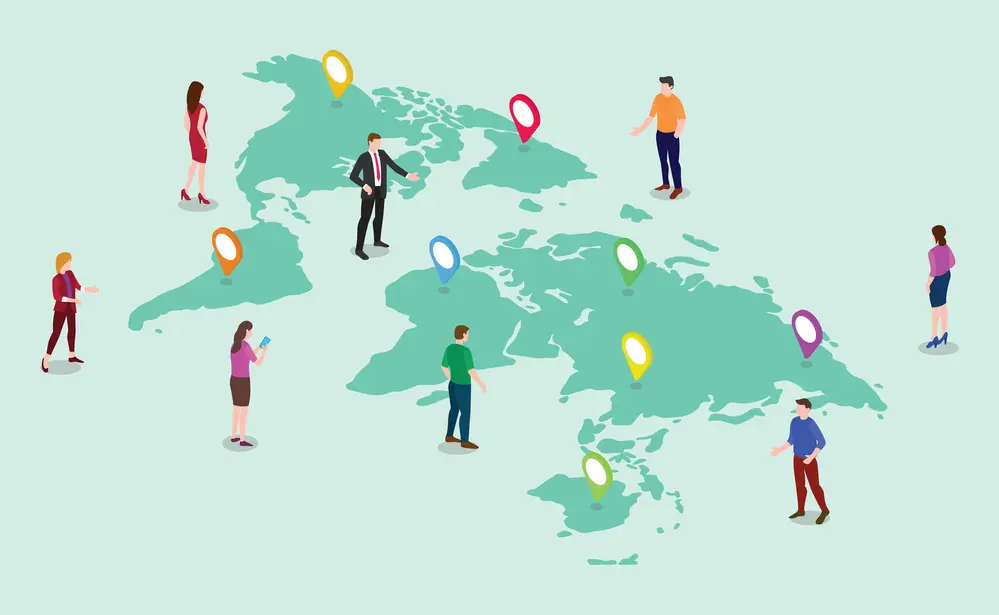
This blog delves into people tracing and provides actionable steps to help you find your long-lost family.
What you should do before using a people tracing service
Embrace the Desire to Reconnect

The first step in embarking on the journey of finding long-lost family members is to embrace the desire to reconnect fully.
The emotional significance of this endeavour cannot be overstated. Allow yourself to acknowledge the emotions of seeking out those once integral parts of your life.
This acknowledgement will drive your determination to move forward and take the necessary steps to initiate the search.
Gather All Available Information

Before delving into people tracing methods, gathering as much information as possible about the family member you’re searching for is crucial.
Collecting key details such as their full name, date of birth, last known location, and any other pertinent information will provide a solid foundation for your search.
Dig through old photographs, letters, and documents that might contain clues about their whereabouts.
Leverage Online Resources

The digital age has revolutionised the way we connect and share information.
Utilise online platforms and social media networks to your advantage. Start creating profiles on platforms like Facebook, Twitter, and Instagram, and share your search for your long-lost family member.
Use relevant hashtags and geolocation tags to increase the visibility of your posts.
Additionally, consider joining online communities and forums dedicated to people tracing and genealogy. These communities often have experienced individuals who can provide guidance and support.
Explore Genealogy Websites

Genealogy websites are treasure troves of information that can aid in your people tracing efforts.
Websites like Ancestry, MyHeritage, and FamilySearch allow you to build family trees and search through extensive databases of historical records.
These records can provide crucial hints about your long-lost family member’s whereabouts, especially if they have left a paper trail in the form of census data, marriage records, and more.
Collaborate with People Tracing Services
When online searches yield limited results, it might be time to consider professional people tracing services.
These services specialise in locating individuals and reuniting families. They have access to databases and resources that might need to be more readily available to the public.
What is people tracing?
People tracing, also known as skip tracing, is locating individuals who have become difficult to find. This could be due to various reasons, such as moving, changing contact information, or intentionally trying to remain hidden.
How does people tracing work?
People tracing, also known as skip tracing, is a process that involves locating individuals who are challenging to find, either due to intentional efforts to remain hidden or simply because their contact information has changed over time.
The goal of people tracing is to gather enough information to pinpoint the current or recent location of the person being sought. Here’s an overview of how people tracing works:
Information Gathering

The process starts with collecting as much information as possible about the individual you’re trying to trace.
This information can include the person’s full name, date of birth, last known address, phone number, email address, social media profiles, and other identifying details.
The more accurate and comprehensive the information, the higher the chances of a successful trace.
Database and Online Searches

People tracing often begins with online searches using databases, public records, and search engines.
Specialised databases can include records from government agencies, public directories, voter registration lists, and more. These sources can provide initial clues about the person’s whereabouts.
Social Media and Online Presence

Social media networks play a substantial role in the process of locating individuals. Many individuals have active profiles on platforms like Facebook, Twitter (Now X), Instagram, and LinkedIn.
Searching for the person’s name, known aliases, or related information might uncover recent updates, photos, and connections that can help track their location.
Data Analysis

People tracing experts analyse the collected information to understand the person’s movements and connections better.
They might identify patterns, such as locations the person has lived or visited, shared contacts, or recurring activities.
Address Verification

Once potential addresses are identified, experts use various techniques to verify the accuracy of these addresses.
This can involve cross-referencing information from multiple sources, checking utility records, and comparing it with other public records.
Field Work and Local Contacts

In some cases, people tracing might involve fieldwork. Tracers might visit addresses associated with the individual to gather more information or verify their presence.
They may also interview neighbours, former associates, or family members who might have relevant information.
Accessing Specialised Databases

Professional people tracing services often have access to specialised databases that are not readily available to the public.
These databases can provide a wealth of information, including financial records, court documents, and historical data.
Legal and Ethical Considerations

People tracing services operate within legal and ethical boundaries. They ensure that the information they gather is used for legitimate purposes and not for malicious intent. Privacy regulations and guidelines are respected throughout the process.
Collating and Cross-Checking Information

Tracers collate all the gathered information and cross-check it to ensure accuracy.
This might involve verifying details from different sources and eliminating outdated or incorrect information.
Contact and Reunion

Once the tracer is confident in the accuracy of the information, it can facilitate contact between the seeker and the located individual.
The nature of the contact and the ensuing reunion can vary widely based on both parties’ circumstances and preferences.
What is the success rate?
The effectiveness of people tracing services can fluctuate significantly, contingent on diverse factors such as the precision of available information, utilised methods, the individual’s intent to evade detection, and the resources accessible to the tracer.
It’s essential to recognise that there is no one-size-fits-all answer to the success rate, as each case is unique.
Begin finding your family today
Finding long-lost family members through people tracing can be emotionally challenging and deeply rewarding.
In an age where technology and interconnectedness have transcended boundaries, reconnecting with loved ones absent from your life is more achievable than ever. Remember to approach this endeavour with patience, perseverance, and sensitivity.
Whether delving into online reservoirs, partnering with people tracing services, or employing conventional research approaches, the ultimate objective is to mend the separation that time and situations have generated.
With determination and a proactive approach, you might embrace a heartwarming reunion that will forever enrich your life’s narrative.


About The Author: Rob Harris
More posts by Rob Harris